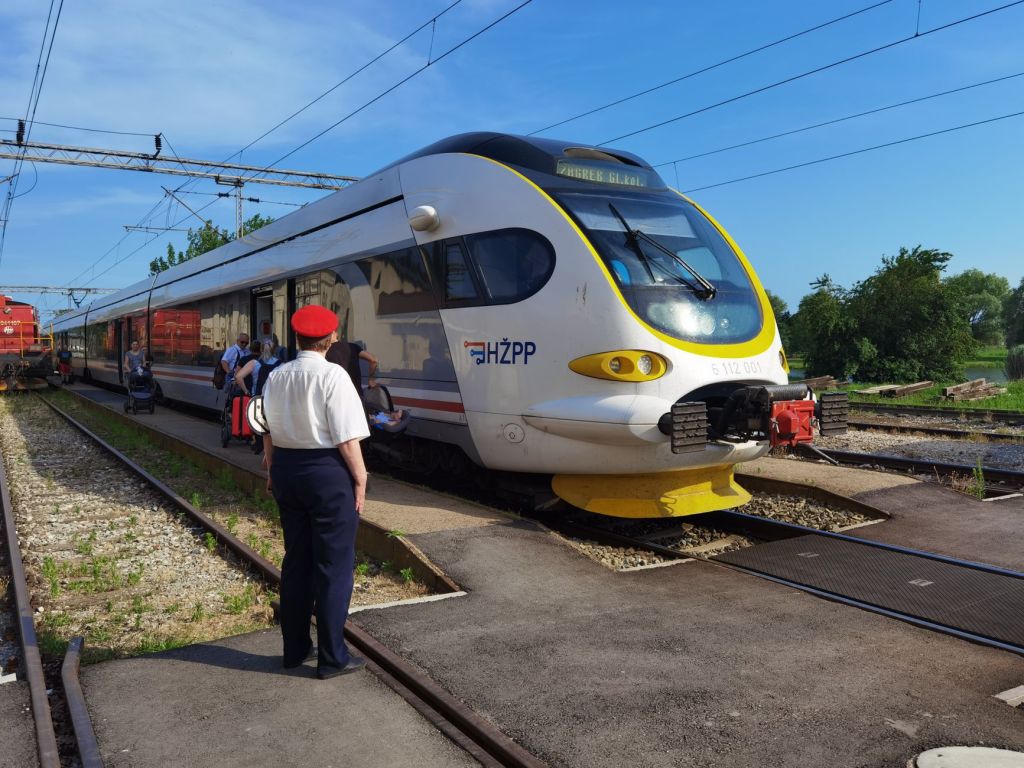
Croatian Phrases for Public Transport
Public transport in Croatia is usually reliable, affordable, and a very real part of everyday life. In Zagreb you have a dense network of blue trams and buses, in other cities mainly buses, and along the coast there are ferries and catamarans connecting the islands. With a few key phrases, you can move around calmly and confidently, even if your Croatian is just beginning.
If you are new to Croatian sounds, keep a tab open with this Croatian pronunciation guide. You might also enjoy the overview in 50 Essential Croatian Phrases as a warm-up.
Buying tickets
You can usually buy tickets at kiosks (Tisak, iNovine), from the driver, or at bigger bus and ferry stations. In Zagreb, tram and bus tickets are cheaper from the kiosk than from the driver. Here are phrases for the most common situations.
At the kiosk
- Jednu kartu za tramvaj, molim. (one tram ticket, please) [yed-noo kar-too za tram-vai, moh-leem]
- Dvije karte za bus, molim. (two bus tickets, please) [dvyeh kar-teh za boos, moh-leem]
- Jednu kartu za prvu zonu, molim. (one ticket for the first zone, please) [yed-noo kar-too za pr-voo zo-noo, moh-leem]
- Kartu za sat vremena, molim. (a one-hour ticket, please) [kar-too za saht vre-meh-na, moh-leem]
- Dnevnu kartu, molim. (a day ticket, please) [dnev-noo kar-too, moh-leem]
- Može račun, molim? (can I have the receipt, please?) [mo-zhe ra-choon, moh-leem]
Buying a ticket from the driver
On local buses, especially outside Zagreb, buying directly from the driver is normal. Have small bills or coins ready.
- Jednu kartu do centra, molim. (one ticket to the centre, please) [yed-noo kar-too doh tsen-tra, moh-leem]
- Jednu kartu do kolodvora, molim. (one ticket to the station, please) [yed-noo kar-too doh ko-lod-vo-ra, moh-leem]
- Još jednu kartu, molim. (one more ticket, please) [yosh yed-noo kar-too, moh-leem]
- Imate li kartu za tramvaj/bus? (do you have a tram/bus ticket?) [ee-ma-teh lee kar-too za tram-vai/boos]
- Ovdje plaćam? (do I pay here?) [ov-dyeh pla-cham]
At the bus or train station
Intercity buses and trains usually have a proper ticket counter. English is common, but having Croatian ready makes things smoother.
- Jednu kartu za Split, molim. (one ticket to Split, please) [yed-noo kar-too za spleet, moh-leem]
- Povratnu kartu za Rijeku, molim. (a return ticket to Rijeka, please) [po-vrat-noo kar-too za ryeh-ku, moh-leem]
- U jednom smjeru za Zadar, molim. (a one-way ticket to Zadar, please) [oo yed-nom smye-roo za za-dar, moh-leem]
- U koliko sati polazi sljedeći bus za Zagreb? (what time does the next bus to Zagreb leave?) [oo ko-lee-ko sa-tee po-la-zee sl-ye-de-chi boos za za-greb]
- U koliko sati dolazi? (what time does it arrive?) [oo ko-lee-ko sa-tee do-la-zee]
- S kojeg perona polazi? (from which platform does it leave?) [s kwo-ye-g pe-ro-na po-la-zee]
Asking for directions and stops
Drivers and passengers are usually happy to help you get off at the right stop. These phrases will help you ask clearly and understand the answers.
Where does this go?
- Gdje ide ovaj bus? (where does this bus go?) [gdye ee-deh o-vai boos]
- Gdje ide ovaj tramvaj? (where does this tram go?) [gdye ee-deh o-vai tram-vai]
- Ide li ovaj bus do centra? (does this bus go to the centre?) [ee-deh lee o-vai boos doh tsen-tra]
- Ide li ovaj tramvaj do kolodvora? (does this tram go to the station?) [ee-deh lee o-vai tram-vai doh ko-lod-vo-ra]
Does it stop at…?
- Staje li ovaj bus kod muzeja? (does this bus stop near the museum?) [sta-ye lee o-vai boos kod moo-ze-ya]
- Staje li ovaj tramvaj kod tržnice? (does this tram stop near the market?) [sta-ye lee o-vai tram-vai kod trzh-nee-tse]
- Staje li na stanici “Britanski trg”? (does it stop at “Britanski trg”?) [sta-ye lee na sta-nee-tsee bri-tan-skee trg]
- Koja je stanica za centar? (which stop is for the centre?) [ko-ya yeh sta-nee-tza za tsen-tar]
- Koja je stanica za kolodvor? (which stop is for the station?) [ko-ya yeh sta-nee-tza za ko-lod-vor]
Getting off at the right stop
- Molim vas, recite mi kad dođemo na … (please tell me when we get to …) [mo-leem vas re-tsee-te mee kad doh-dzhe-mo na]
- Silazimo ovdje. (we get off here.) [see-la-zee-mo ov-dyeh]
- Je li sljedeća stanica …? (is the next stop …?) [ye lee sl-ye-de-cha sta-nee-tza]
- Još koliko stanica do centra? (how many stops until the centre?) [yosh ko-lee-ko sta-nee-tza doh tsen-tra]
On the tram (Zagreb)
Zagreb tram lines are numbered and well marked, and you will hear people use short, practical phrases. Tickets must be validated when you enter the tram. Here are some useful lines to listen for and use yourself.
- Koji tramvaj ide prema centru? (which tram goes towards the centre?) [ko-yee tram-vai ee-deh preh-ma tsen-troo]
- Koji broj ide do Glavnog kolodvora? (which number goes to the main station?) [ko-yee broy ee-deh doh glav-nog ko-lod-vo-ra]
- Moram presjesti? (do I need to change trams?) [mo-ram pre-sye-stee]
- Gdje trebam sići? (where should I get off?) [gdye tre-bam see-chee]
- Ide li ovaj tramvaj prema okretištu? (does this tram go to the final stop/turning point?) [ee-deh lee o-vai tram-vai preh-ma o-kre-tee-shtoo]
- Zatvorite vrata, molim. (please close the door.) [za-tvo-ree-te vra-ta, moh-leem]
If someone starts chatting with you on the tram, that is a good moment to use your Croatian small talk phrases and connect a little.
Ferry phrases (for the islands)
Along the coast, ferries and fast catamarans connect the mainland with the islands. You will see both regular car ferries and passenger-only boats. Summer queues can be long, so it helps to ask clearly about times, lines, and where to board.
- Gdje je luka/trajektna luka? (where is the port/ferry port?) [gdye yeh loo-ka / tra-yekt-na loo-ka]
- Ide li ovaj trajekt na Hvar? (does this ferry go to Hvar?) [ee-deh lee o-vai tra-yekt na hver]
- Ide li ovaj katamaran na Korčulu? (does this catamaran go to Korčula?) [ee-deh lee o-vai ka-ta-ma-ran na kor-choo-loo]
- U koliko sati polazi trajekt za Brač? (what time does the ferry to Brač leave?) [oo ko-lee-ko sa-tee po-la-zee tra-yekt za brach]
- U koliko sati se vraća trajekt? (what time does the ferry come back?) [oo ko-lee-ko sa-tee seh vra-cha tra-yekt]
- Gdje kupujem kartu za trajekt? (where do I buy a ticket for the ferry?) [gdye koo-poo-yem kar-too za tra-yekt]
- Moram li rezervirati kartu? (do I need to reserve a ticket?) [mo-ram lee re-ze-rvee-ra-tee kar-too]
- Idem samo pješke. (I am going on foot only.) [ee-dem sa-mo pyesh-keh]
- Idem autom. (I am going with a car.) [ee-dem au-tom]
- Gdje se ukrcavamo? (where do we board?) [gdye seh oo-kr-tsa-va-mo]
Useful vocabulary for public transport
Here is a mini vocabulary list you can screenshot. It will help you read timetables and understand announcements.
- stanica (stop, station) [sta-nee-tza]
- kolodvor (station/terminal, for buses or trains) [ko-lod-vor]
- peron (platform) [pe-ron]
- karta (ticket) [kar-ta]
- povratna karta (return ticket) [po-vrat-na kar-ta]
- jednosmjerna karta (one-way ticket) [yed-no-smye-rna kar-ta]
- vozni red (timetable) [voz-nee red]
- polazak (departure) [po-la-zak]
- dolazak (arrival) [do-la-zak]
- kasni (it is late) [kas-nee]
- rano (early) [ra-no]
- zona (zone) [zo-na]
- smjer (direction) [sm-yer]
Cultural notes: tickets and validation
Every city in Croatia has its own small habits around public transport, but these general points will keep you on the safe side.
- Validate your ticket. In Zagreb trams and buses, tickets from the kiosk must be stamped in the small yellow machine as soon as you get on. On other city buses you may just show the ticket to the driver, or the driver will print it for you.
- Driver vs kiosk. In Zagreb, buying from the driver is usually a little more expensive than buying from a kiosk. On smaller local buses (for example on islands), buying directly from the driver is completely normal.
- Inspectors. Ticket inspectors sometimes get on in Zagreb and bigger cities. They will ask to see your validated ticket. If you are unsure, you can calmly say: Oprostite, nisam znao/la. (sorry, I did not know.) [o-pro-stee-te, nee-sam zna-o / zna-la] and they will usually explain what to do next.
- Time-based vs distance-based. Some city tickets are valid for a time period (for example 30 or 60 minutes) and you can change lines within that time. Intercity bus and train tickets are usually for a specific route and time.
If you want more everyday phrases for saying sorry, asking politely, or thanking people who help you on the way, you can look at Croatian phrases for cafés and the wider collection in 50 Essential Croatian Phrases.
Bringing it all together
You do not need perfect grammar to ride buses, trams, and ferries in Croatia. A handful of clear phrases, a kind tone, and a little patience are enough. Save the phrases that feel most useful for your situation (commuting, visiting family, going to the beach) and repeat them while you are actually on the move — on the tram, at the station, or looking at the ferry timetable.
Over time, you will recognise the same words on signs, in announcements, and in casual conversations around you. That is how public transport quietly becomes part of your Croatian learning routine.
Keep going with Calm Croatian
If you like learning phrases in calm, real-life contexts, there are two resources that go deeper and help you build a steady, confident Croatian routine.
The Calm Croatian Phrasebook
A curated collection of practical phrases for everyday life, with gentle explanations and pronunciation help. You can read more and get it directly on the website or via Gumroad:
The Calm Croatian Roadmap
If you want a bigger picture of how to learn Croatian without burning out, the Roadmap shows you what to focus on at each stage, with examples, audio suggestions, and gentle structure. You can find it here:
Pick one small next step, and let public transport become one of your quiet classrooms for Croatian.
 Learn Croatian with Sanja | Calm Croatian
Leave a comment